
By Dr. Edward Corsello | Upper Cervical Health of Connecticut
Why Does Neck Pain Keep Coming Back?
Have you ever felt like you’re stuck in a cycle?
Your neck starts hurting. You stretch it. Maybe you get a massage. Physical therapy helps for a while. Medication dulls the pain. Then a few weeks—or even a few days—later, it’s back again.
As an upper cervical chiropractor, this is one of the most common stories I hear from new patients.
The question isn’t just “Why does my neck hurt?”
The better question is, “Why does it keep coming back?”
Looking Beyond Where It Hurts
One of the biggest misconceptions about neck pain is that the muscles are always the problem.
Sometimes they’re simply reacting to something else.
Think of your car for a moment.
If your tires keep wearing out unevenly, replacing the tires isn’t fixing the real problem. You’d want someone to check the alignment.
Your spine works much the same way.
If the structure isn’t balanced, your muscles spend every day trying to compensate. Eventually they become tired, tight, inflamed, and painful.
💡 Dr. Ed Explains
“I tell patients all the time that the atlas is the CEO of the spine. Wherever it goes, the rest of the spine follows.”
Why Is the Atlas So Important?
The atlas is the very first bone in your neck.
Its job is to support your head while allowing you to turn, bend, and balance naturally.
Unlike most vertebrae, the atlas doesn’t lock tightly into another bone. That makes it incredibly mobile—but it also makes it more susceptible to becoming misaligned after injuries, poor posture, repetitive stress, or even years of looking down at phones and computers.
When the atlas shifts, your body naturally tries to compensate to keep your eyes level with the horizon.
Those small compensations may eventually place extra stress on the muscles, ligaments, discs, and joints throughout the neck.
Three Reasons Neck Pain Keeps Returning
1. The underlying alignment hasn’t been corrected.
Many treatments focus on reducing pain, but pain isn’t always the cause of the problem.
If the upper cervical spine remains unstable, symptoms often return because the body continues compensating.
2. Your body is still healing.
Even after a precise correction, ligaments and supporting tissues need time to stabilize.
Healing is a process—not an event.
3. Everyday habits matter.
Hours at a desk, poor posture, sleeping with the wrong pillow, emotional stress, and constantly looking down at a phone all place repeated strain on the neck.
I’ve always believed that structure dictates function. How you hold your body affects how your body performs.
🧠 Did You Know?
People with chronic neck pain often experience other symptoms too, including:
- Recurring headaches
- Migraine headaches
- Dizziness or vertigo
- Numbness or tingling in the arms
- Jaw discomfort (TMJ)
- Poor balance
- Difficulty concentrating
These symptoms don’t always come from the neck—but because the upper cervical spine plays such an important role in the nervous system, it’s worth having it evaluated.
How Atlas Orthogonal Is Different
Many people are surprised to learn that Atlas Orthogonal doesn’t involve twisting or forcefully cracking the neck.
Instead, we use detailed imaging to determine the exact position of the atlas and then make a gentle, highly specific correction using a precision instrument.
Our goal isn’t simply to make your neck feel better today.
Our goal is to help your body become more stable over time.
The Corsello Difference
Every patient is different.
That’s why we don’t believe in giving everyone the same adjustment.
At Upper Cervical Health of Connecticut, we focus on precision. Pre- and post-correction X-rays help us evaluate the alignment before and after care because small changes at the top of the spine can make a meaningful difference in stability.
More importantly, we spend time listening.
Understanding why your symptoms began is just as important as understanding where they hurt.
Ready to Find the Cause of Your Neck Pain?
If you’ve been living with recurring neck pain and feel like you’ve tried everything, maybe it’s time to ask a different question.
Instead of asking, “How do I get rid of the pain?” ask, “Why does it keep coming back?”
Dr. Edward Corsello and the team at Upper Cervical Health of Connecticut are here to help you understand the underlying cause of your symptoms and determine whether Atlas Orthogonal care is right for you.
About Dr. Edward Corsello
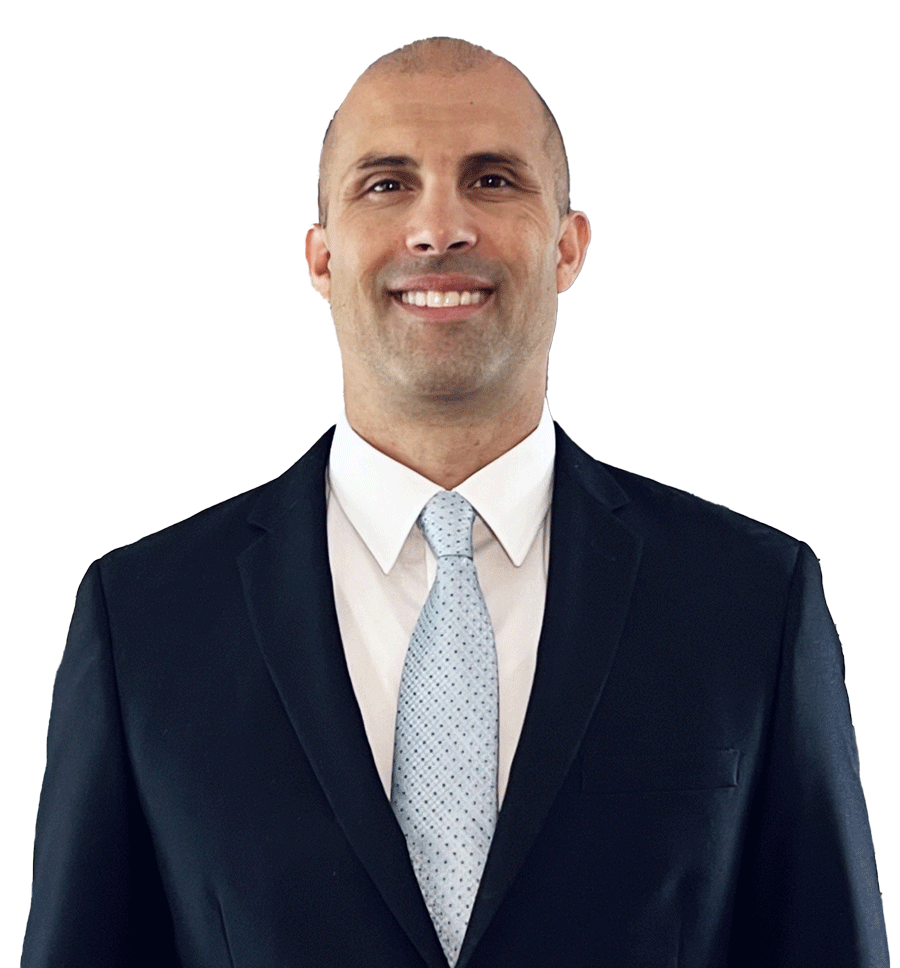
Dr. Edward Corsello is a Board Certified Atlas Orthogonist and founder of Upper Cervical Health of Connecticut in Stratford, Connecticut. Patients travel from Stratford, Fairfield, Milford, Trumbull, Shelton, Orange, Westport, Woodbridge, New Haven, Branford, Wallingford, and throughout Connecticut, New York, and Massachusetts seeking his expertise in Atlas Orthogonal upper cervical care.
What makes Dr. Corsello’s practice unique is his commitment to finding the underlying mechanical cause of recurring symptoms rather than simply chasing pain. Every patient receives an individualized evaluation using precise imaging and a gentle Atlas Orthogonal correction designed to restore stability—not just temporary relief.
Whether you’re struggling with neck pain, headaches, migraine headaches, vertigo, sciatica, or persistent discomfort that keeps returning, Dr. Corsello’s goal is simple: help you understand what’s happening, restore proper function, and give your body the opportunity to heal the way it was designed to.
📞 (203) 381-1800
Click here to schedule your consultation online.